Beyond Foster Care – The Professional Art of Healing
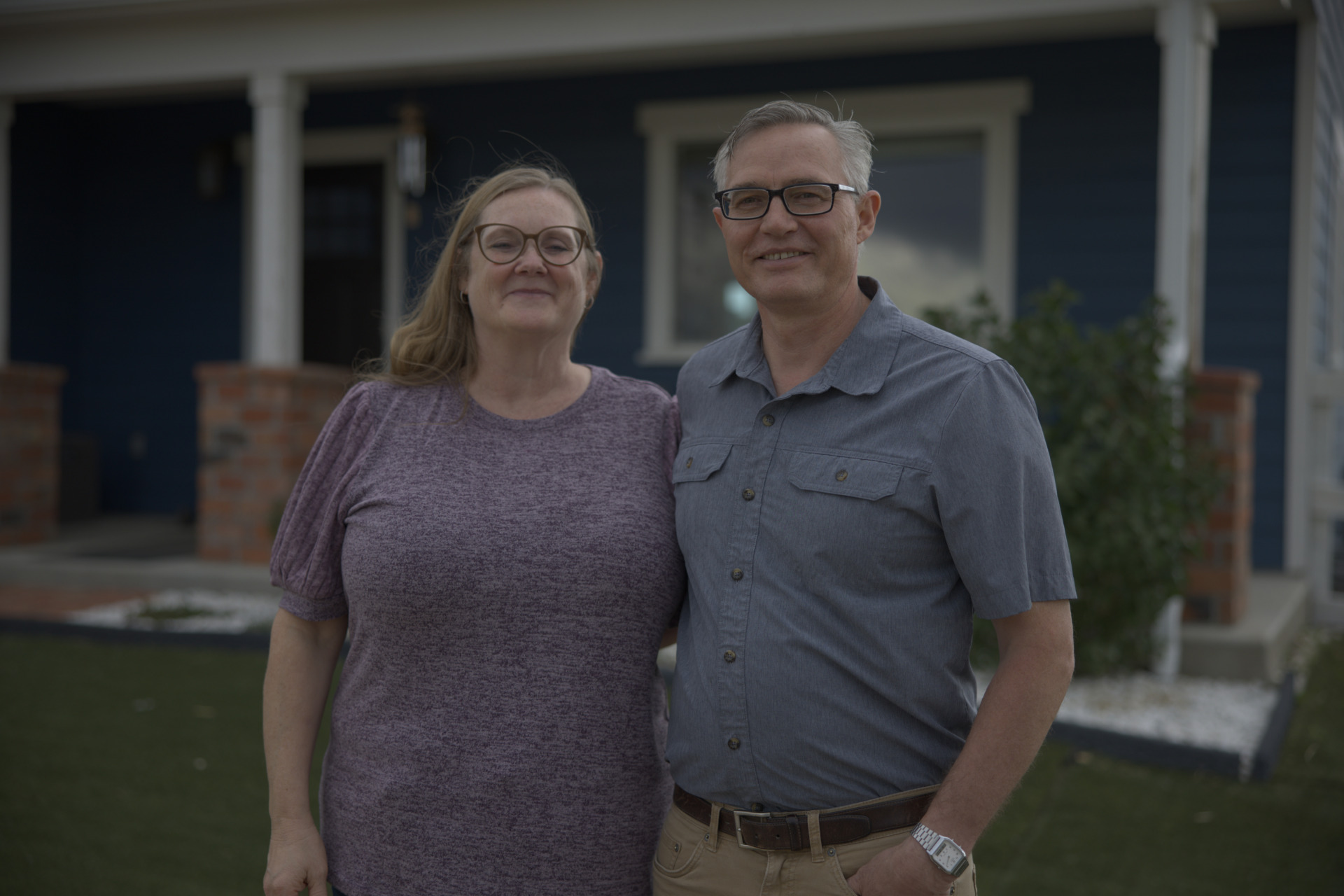
When people think of foster care, they often imagine a spare room and a big heart. But for Dale and Chantel, foster care has evolved into something more intentional: a professional, full-time commitment to treatment-level care. Dale and Chantel have turned their home into a center for healing, proving that with the right support, trauma doesn’t have to define a child’s future.
“We’ve had several people tell us, ‘I’ve thought about foster care, but I just don’t know if my heart could handle it. We’re not doing it to make ourselves feel better. We’re doing it to help kids and that’s going to break our hearts a little bit. The kid doesn’t get a choice on whether they get their heart broken. Their hearts are already broken. We want to support them even if it hurts us,” Dale explained.
For many, foster care is a part-time role. For Dale and Chantel, it is a professional-level job. Dale and Chantel began fostering in 2010, initially fostering and then adopting two sisters within a year and a half before temporarily closing their home to focus on raising the girls. They returned to fostering in 2024 as therapeutic then treatment level foster parents. Treatment-level care requires intense dedication. This shift means at least one parent is home full-time, and their days are filled with specialized support, frequent therapies, and constant coordination with professionals to support youth with acute behavioral and/or health needs.
Treatment level foster care is not just about providing a safe place for children in need; it’s about providing a safety net for children and youth who arrive dysregulated and in crisis.
Dale and Chantel describe their current experience as “way, way more supported” than their early days in traditional foster care. In the treatment level program, they work in active partnership with their case coordinator who acts as a true teammate. Dale and Chantel now have weekly, productive visits. They can text and call for support, and the program helps take the logistical burden off their shoulders, allowing them to focus entirely on the children in their care.
“Jillian, our case coordinator, really helps take things off our plate and helps us if we do need to send an email, she will send it for us or she’ll help us figure out what to say or how to say things. Or she will say, ‘You guys don’t need to worry about that. I will take care of that,’” said Chantel.
Dale and Chantel have relied on evidence-based strategies tailored to each child’s needs to help them stabilize and grow.
- The Sticker Chart “Switch”: When a nine-year-old child in their care, arrived in a state of constant crisis, Dale and Chantel implemented a sticker chart within days. It wasn’t just about “good behavior.” It gave her a clear, visual goal that helped her focus. It was like a “switch” that helped her organize her thoughts and build confidence.
- Positive Affirmations: Working with an ABA therapist, the family implemented daily affirmations. They help them repeat phrases like “I am strong” and “I can do hard things,” helping them reframe their own self-worth.
- School Collaboration: Dale and Chantel treat school like a partner. Through daily notebooks and consistent communication, they ensure that the language of support used at home is the same language used in the classroom.
The goal of treatment level care is to help a child calm down enough to reveal their true potential. The results for Dale and Chantel have been tangible. After months of consistent support, they saw a severely dysregulated child’s engagement with school skyrocket, and her ability to focus improved dramatically. As Dale noted, when a child is finally calm enough, they can show the world what they are actually capable of.
“She’s catching up with her grade level. I mean, you wouldn’t believe how much work she did last summer and during Christmas break. She went through two of the big summer books last year, over 400 worksheet pages that she did for hours at a time while we were on our way to Oklahoma,” said Chantel.
Dale and Chantel’s journey offers a clear message for those considering fostering or looking to “level up” their own care. They encourage anyone who is interested to get the training. They credit their success to specialized training through programs available to professional-foster parents, which provide real-world scenarios and solutions for difficult situations. Dale and Chantel prove that you don’t need to be perfect to be a treatment foster parent. You just need to be present, willing to learn, and ready to partner with professionals to give these children the stability they deserve.