Helping Families Thrive: A Conversation with Valarie Aparicio
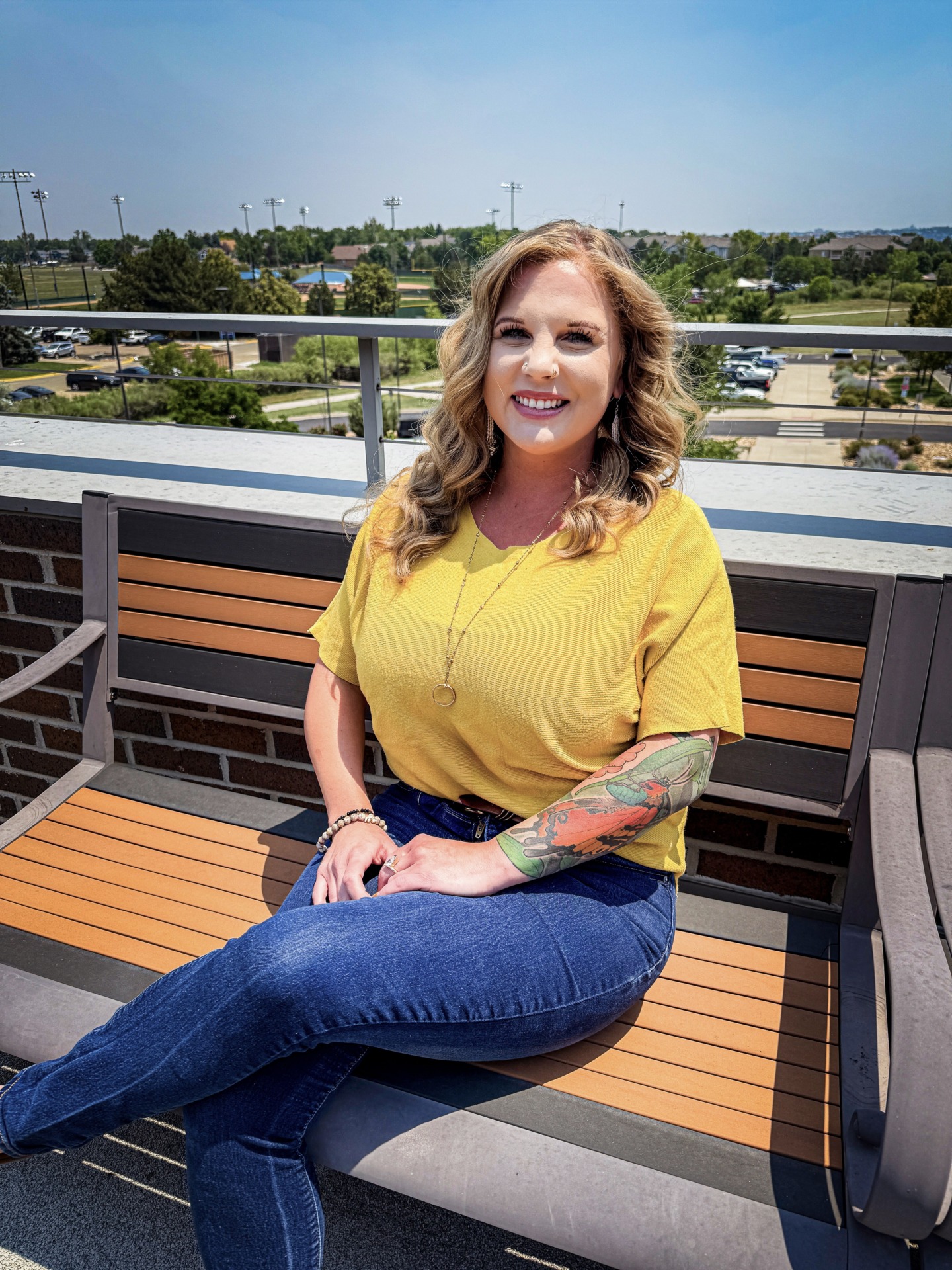
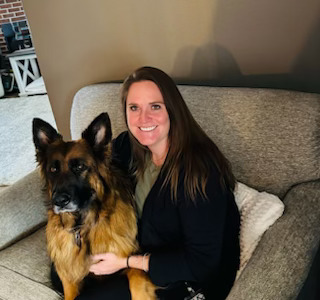
Valarie Aparicio’s path to becoming a child welfare supervisor in Broomfield wasn’t a straight line, but it was exactly the journey she needed to develop a deeply human-centered approach to her work. Studying physical therapy in college, she eventually pivoted to child and adolescent mental health before finding her true niche as a caseworker in Denver County in 2019. Today, she leads teams focused on both permanency and prevention, guided by a simple philosophy that people and families are not defined by their current circumstances.
“It’s the parallel process of setting up families for success, but that also means setting up case workers for success. I’ll never ask you to do something that I wouldn’t do myself,” Valarie says. “If they are needing extra support in the field I’m more than happy to jump in and support them. I also think it’s important that the families we work with know who I am too, so if I’m sitting in a meeting or covering a phone call for a caseworker they’re not going to be confused.”
One of Valarie’s core strategies is moving away from the “fixer” mindset. She encourages her team, and herself, to pause when families are in crisis. Instead of rushing to dictate solutions, she advocates for asking questions and validating the family’s experience. By taking the time to listen, Valarie finds that families often have their own answers. This approach extends to her prevention work. She shares a powerful example of investing in immediate, practical resources, like professional cleaning services for a home, to prevent children being removed from the family. This proactive step kept a family together, avoided the trauma of out-of-home placement and created a more stable long-term path.
“You can acknowledge somebody’s experience, feelings and perspectives. It doesn’t necessarily mean you agree with it, but that’s the core of empathy of being able to sit in someone else’s shoes and just appreciate their experience for what it is…that validation can really help build a relationship with families, especially if there is contention. If there’s a lack of trust between the family and the caseworker, you’re likely not going to get very far,” Valarie explains. “Sometimes you have to slow down to speed up.”
For youth aging out of the system, Valarie emphasizes the shift from being “trauma-informed” to “trauma-responsive.” She champions giving these young adults control and choice, recognizing that many have rarely had power in their own lives. Her work on the board of Anchor House, which provides supportive housing, is a testament to her commitment to providing stable, supportive foundations for those navigating adulthood.
“Sometimes you just want to vent to somebody and you want to feel validated and heard in the moment. You’re not looking for somebody to offer you a solution or fix it for you. And I think it’s really easy, especially with youth because we are protective and we’re helpers. That’s why we got into this field, but let’s empower them and give them the power of choice because that can go a long way,” said Valarie of working with youth who are emancipating from child welfare.
Central to all her work is the inclusion of “lived experts.” Valarie regularly invites former clients and parents who have successfully reunited with their families to share their experiences with her team. She understands that while she can offer professional expertise, the true experts are those who have lived through the system.
“We can put on our professional hats and speak all the jargon,” she says, “but that’s leaving out a very crucial part. If we’re developing new policies or procedures, we’ll have lived experts, either parent advocates or parents we have worked with or former foster parents or kinship parents, review some of our policy process documents so that they can give us feedback through that lived expert lens.”
Valarie acknowledges that changing the child welfare system won’t happen overnight, but she is optimistic. By fostering an environment where mental health is prioritized, creativity is encouraged and empathy is at the forefront, she is helping build a culture where families are left better off than when they first met the system. For Valarie, the goal is simple – approach every situation with sensitivity, respect and a willingness to try something new.


More Posts