Finding Purpose in Fostering
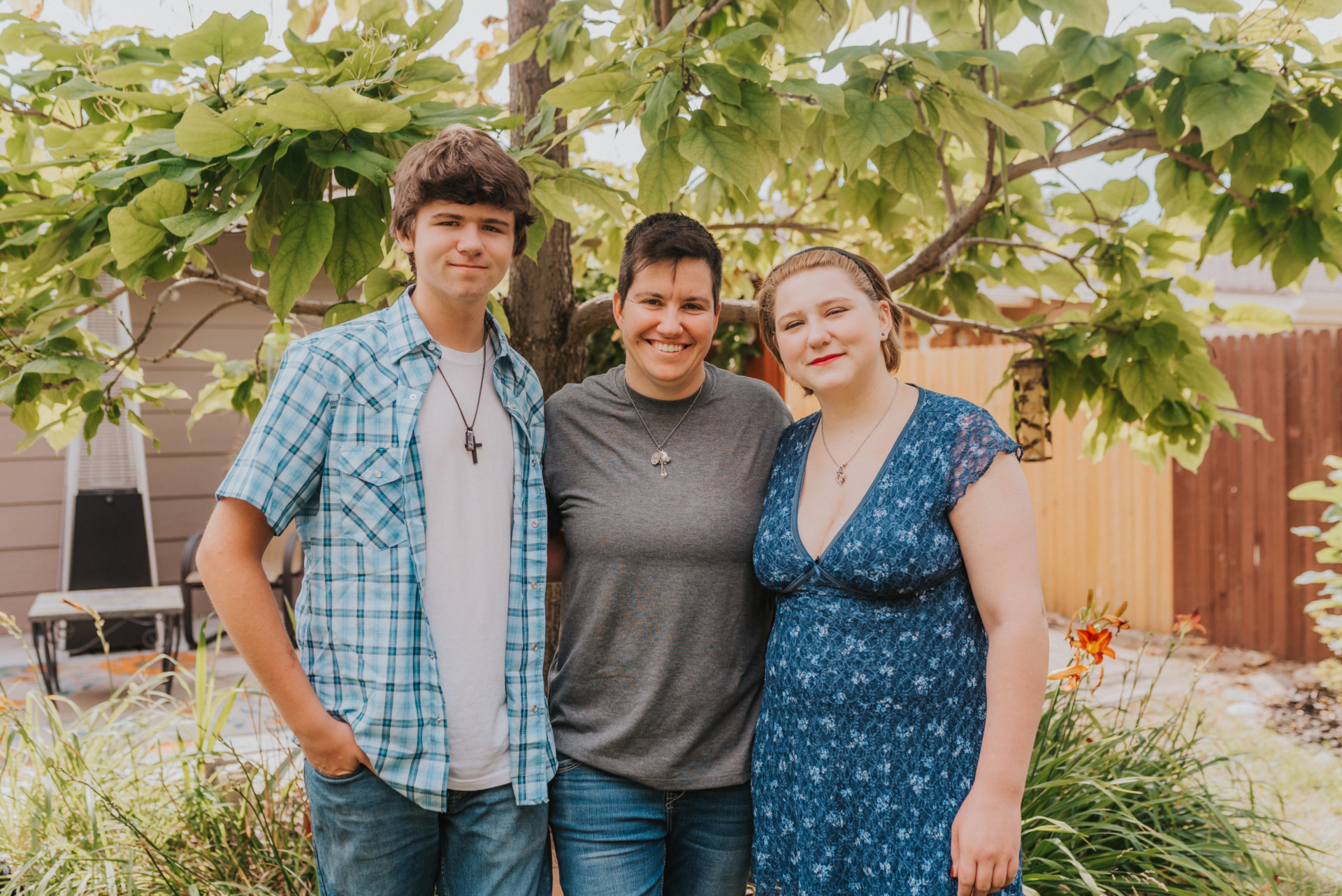
For many, the path to foster parenting starts with a single seed of an idea. For Kate, that seed was planted repeatedly through her church, from colleagues and even by way of podcasts. As a single professional working in construction, Kate initially wondered if she could balance a demanding career with the responsibilities of parenting. She soon realized that she didn’t have to choose one or the other, she could do both.
“I’ve always clicked really well with teens. It’s a combination of I like that age group and the things that they’re going through and then logistically it works with my schedule for work,” said Kate.
Kate decided to focus on fostering teenagers, a demographic that is often overlooked but deeply in need of stability. Logistically, teens offered a level of independence that made balancing her construction career possible, as they were often able to manage their own school mornings and daily self-care. More importantly, Kate felt a natural affinity for the teenage years, recalling her own positive experiences working with youth groups in college.
“I have two kiddos in my house. A sibling set who are 19 and 16. They were my first placement and I got guardianship of them after a year and a half. We did the RGAP (Relative Guardianship Assistance Program),” Kate explained.
Like any new parent, Kate’s journey began with trial and error. The first few months were marked by significant adjustments, most notably the high volume of court appointments and legal meetings that required flexibility at work. There were also smaller, everyday hurdles—like navigating the transition from meal-prepping leftovers for one to cooking fresh dinners for a household of three.
“I think the hardest adjustment was just how many appointments there were. And at the time when I got them, they did not have their learner’s permit or driving license, so just the sheer amount of chauffeuring and like figuring out rides either between the county or myself was probably the hardest part,” Kate recalled of the challenge she had to face at the beginning of her fostering journey.
One of the core tenets of Kate’s parenting style is «choosing her battles.” She prioritizes boundaries around safety issues, such as no vaping or drinking,over minor household tasks like making beds. When tensions rise or «blow-ups» occur, Kate focuses on remaining calm. She reminds herself that these teens are still developing, and by reacting with patience rather than anger, she creates a space where the teens feel safe and trust can be built.
“I’ve always been good in emergencies. I think when kids are having blowups or whatever. We’ve had car accidents, we’ve had runaways and stuff. I just tend to remind myself that they’re teenagers. Their brain is not developed, I feel like when you’re calm, when you catch them in doing something wrong, they trust you more. I tend to lose my stuff when I’m tired after work over normal parenting items like them not doing the dishes when I ask them to,” Kate recalled.
Kate’s home is not just a place of stability; it is a space for connection. She actively involves her teens in decision-making, particularly when it comes to providing respite care for other youth. This collaborative approach ensures that everyone in the home feels comfortable and respected. Furthermore, Kate places a high value on maintaining the teens’ connections to their biological family, particularly their grandparents in Arizona. Recognizing that these relationships are vital to the teens’ identity, she facilitates regular communication and visits.
“They grew up with their grandparents a lot when they were little. They call their grandparents probably once a week. We traveled there on spring break. They could stay a week, and then I used it as my own respite, and so I drove to Sedona and went backpacking for a week without them,” Kate explained.
After three years, the progress has been profound. Kate has watched her teens grow in ways that go far beyond academic success, though they have achieved that, too. From catching up grade levels in reading to improved emotional openness and healthier social habits, the transformation is a testament to the power of consistent support. As Kate puts it, showing up for these teens, especially during the hard moments, goes a long way.
“They’ve both gone from we don’t want to join you at church to now they want to. They used to not talk and hide on their phones and now it’s less time on the phone. Now they talk more. James for a long time didn’t want to do therapy and then he asked to do it,” said Kate of some of the growth she has seen over the last three years.
For those considering becoming foster parents, Kate’s advice is simple – be flexible and extend grace to yourself. You don’t have to be perfect, you just have to be consistent. Building a strong support system, whether it’s family, friends, or a faith community. Those are essential as the challenges of parenting children who have experienced trauma are unique.
“My advice is to be flexible and to give yourself more grace and patience. It’s hard at first and it’s an adjustment. These kids really just need consistency and someone to show up for them because they haven’t had consistency. Their life’s been chaotic and people normally don’t show up for them specifically when they act out or push those boundaries,” said Kate.
Ultimately, Kate’s journey shows that with patience, a bit of humor, and a lot of heart, foster parenting is not just about changing a young person’s life, it’s a deeply fulfilling experience for everyone involved.


More Posts